
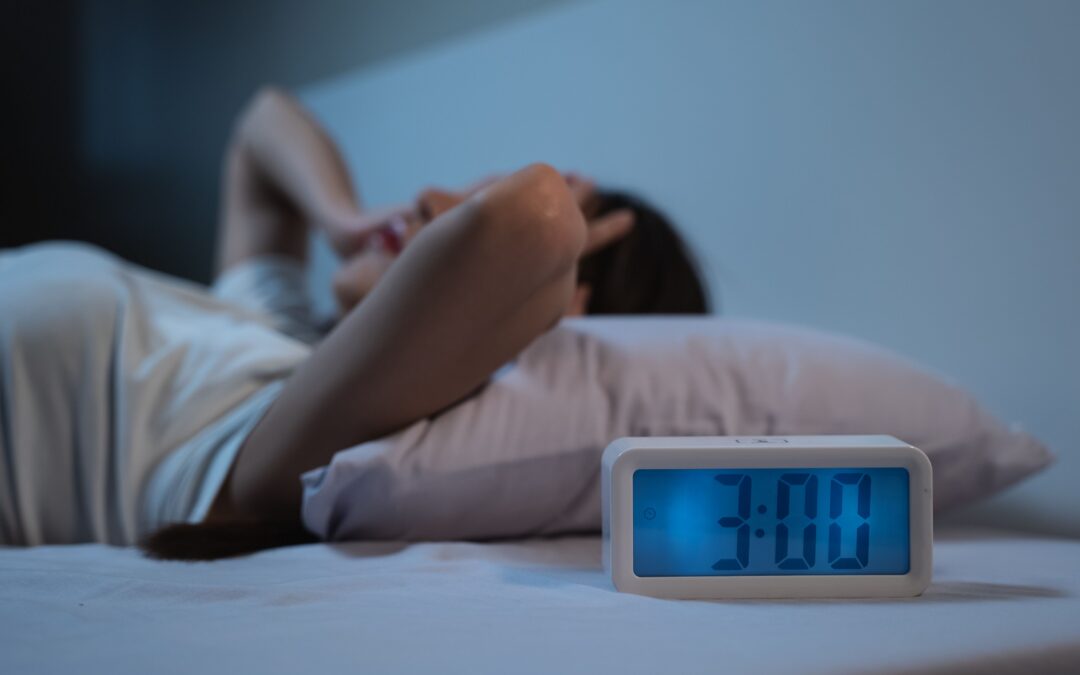
There’s something especially frustrating about waking up at 3 AM. You’re tired enough to know you need more sleep, but somehow wide awake when you should be resting. And the harder you try to fall asleep, the more impossible it seems.
If this happens regularly, you may have noticed another strange detail. You seem to wake up around the same time every night.
So why does it happen? And is your body trying to tell you something?
Why Do I Keep Waking Up at 3 AM?
Waking up at 3 AM is often related to your natural sleep cycles, although stress, lifestyle habits, and certain medical conditions can also play a role.
Throughout the night, your brain moves through different stages of sleep, including light sleep, deep sleep, and rapid eye movement (REM) sleep. These cycles repeat approximately every 80 to 100 minutes.
Here’s what makes the early morning hours interesting.
You typically spend more time in deep sleep during the first part of the night. As morning approaches, REM periods generally become longer, and you spend less time in deep sleep. This can make it easier to wake up and notice disturbances that might not have bothered you earlier.
Brief awakenings between sleep cycles are normal. Many people fall back asleep without giving them much thought.
But if you’re fully awake for long stretches, or those interruptions are leaving you exhausted during the day, there may be another factor affecting your sleep.
Why Do I Wake Up at the Same Time Every Night?
Your body has an internal clock called the circadian rhythm. It helps regulate when you feel sleepy, when you become more alert, and how your body responds to light and darkness.
Your sleep schedule and internal body clock can influence when you’re more likely to wake up. But waking at the same time every night doesn’t necessarily mean you’re waking during the same sleep stage. Stress, sleep habits, and environmental disturbances may also contribute to repeated awakenings.
A heating system turning on, outside noise, or even a pet moving around can become part of a recurring nighttime pattern.
There’s no established medical significance to waking up at exactly 3 AM.
The more useful question is what’s interrupting your sleep and keeping you awake afterward.
What Could Be Causing Your Nighttime Wake-Ups?
Can Stress Wake You Up Even If You Fall Asleep Easily?
Absolutely. Stress doesn’t always prevent you from falling asleep in the first place.
You might drift off without a problem, then wake up several hours later with your thoughts racing.
Work deadlines, family responsibilities, financial concerns, and other stressors can keep your body and mind more alert than usual. Anxiety about being awake can add to the problem.
This can create a frustrating cycle. You wake up, start thinking about everything you need to do tomorrow, and then worry about how tired you’ll be when tomorrow arrives.
Could Your Evening Habits Be Affecting Your Sleep?
Some habits that seem harmless in the evening can influence how well you sleep hours later.
Alcohol is one example. Although it may make you feel sleepy initially, it can lead to lighter, more disrupted sleep as the night progresses.
Caffeine can also remain active in your system for several hours, depending on your sensitivity and how much you’ve consumed.
Even your bedroom environment matters. A room that’s too warm, outside noise, or light from electronic devices can interrupt your sleep.
Can Hormonal Changes Cause You to Wake Up at Night?
For some women, frequent nighttime awakenings become more noticeable during perimenopause and menopause.
Changes in hormone levels can affect sleep, while hot flashes and night sweats may cause additional interruptions.
And sleep problems don’t always come with obvious hot flashes. Some women experience changes in sleep quality even when other menopause symptoms are mild.
If your sleep patterns have changed alongside your menstrual cycle or other symptoms, bring it up with your FHCSL health care provider.
Could a Sleep Disorder Be Waking You Up?
Sometimes, repeated awakenings are associated with conditions such as insomnia or obstructive sleep apnea.
Obstructive sleep apnea happens when the upper airway repeatedly becomes partially or completely blocked during sleep, disrupting normal breathing. These interruptions can briefly wake the brain, sometimes without the person remembering it.
Loud snoring and gasping for air are common warning signs, but not everyone with sleep apnea reports them.
Other possible symptoms include:
- Waking up with a dry mouth or headache
- Feeling tired despite spending enough time in bed
- Frequent nighttime trips to the bathroom
- Difficulty concentrating during the day
- Waking up repeatedly without an obvious reason
Sleep apnea can affect people differently, and symptoms may be less obvious in women.
Other health concerns, including chronic pain, acid reflux, and certain medications, may also interfere with sleep.
Why Can’t I Fall Back Asleep Once I’m Awake?
Sometimes, the frustration of being awake becomes part of the problem.
Think about what happens when you look at the clock and realize you have only three hours until your alarm goes off.
You start calculating how much sleep you’ve lost. You wonder how you’ll get through the next day. You try harder to fall asleep.
Unfortunately, sleep doesn’t usually respond well to pressure.
Over time, repeated nights of lying awake can cause your brain to associate being in bed with frustration and alertness.
This is one reason chronic insomnia can continue even after the stress or situation that originally triggered it has improved.
What Should You Do If You Wake Up at 3 AM?
You don’t need to overhaul your entire routine after one restless night. But if waking up frequently has become a pattern, a few changes may help.
Leave the clock alone. Checking the time repeatedly can make you more anxious about how much sleep you’re losing. Turn your alarm clock away and resist checking your phone.
Keep your sleep schedule consistent. Going to bed and waking up at roughly the same times each day helps regulate your body’s internal clock. Try to maintain your usual wake-up time even after a difficult night.
Get out of bed if you’re wide awake. If you’re lying awake and starting to feel frustrated, consider getting out of bed for a quiet, relaxing activity in dim light. Return when you feel sleepy again. There’s no need to watch the clock.
Pay attention to caffeine and alcohol. Consider whether an afternoon coffee or evening drink could be contributing to disrupted sleep.
Keep a sleep diary. For a week or two, record when you go to bed, when you wake up, how rested you feel in the morning, and anything that may have affected your sleep. Patterns can be easier to recognize when they’re written down.
If these changes aren’t helping, there may be an underlying reason worth exploring.
When Is Waking Up at Night a Sign of a Bigger Problem?
Occasional nighttime awakenings are common, particularly during stressful periods or changes in routine.
However, frequent awakenings that interfere with how you feel or function during the day deserve attention.
You don’t have to wait until your sleep problems become severe to bring them up with your FHCSL health care provider.
Chronic insomnia may be diagnosed when someone has difficulty falling or staying asleep at least three nights per week for three months or longer, despite having enough opportunity to sleep, and the problem affects how they feel or function during the day.
If your nighttime awakenings are affecting your daily life, an FHCSL health care provider can help explore possible causes and recommend appropriate next steps. Depending on your symptoms, that may include further evaluation for a sleep disorder.
If you’re so sleepy during the day that you struggle to stay awake while driving or during other important activities, avoid driving when drowsy and contact your FHCSL health care provider promptly.
Can a Sleep Study Help Explain Why You Keep Waking Up?
If you’re regularly waking up during the night and feeling exhausted the next day, it’s worth discussing your symptoms with an FHCSL health care provider.
For some people, nighttime awakenings may be related to obstructive sleep apnea, a condition that repeatedly interrupts breathing during sleep. Signs can include loud snoring, waking up gasping for air, morning headaches, or excessive daytime sleepiness.
When sleep apnea or another sleep disorder is suspected, a sleep study may help identify what’s happening.
Family Health Care of Siouxland’s Sleep Center in Dakota Dunes offers a range of sleep studies in a comfortable outpatient setting. During an overnight study, certified sleep technicians monitor measurements such as brain activity, breathing, oxygen levels, and heart rhythm.
Sleep studies aren’t routinely needed for uncomplicated insomnia. Your provider can help determine whether testing is appropriate based on your symptoms.
If you’re struggling to get restful sleep, talk with our team about your concerns.
Learn more about the Family Health Care of Siouxland Sleep Center.